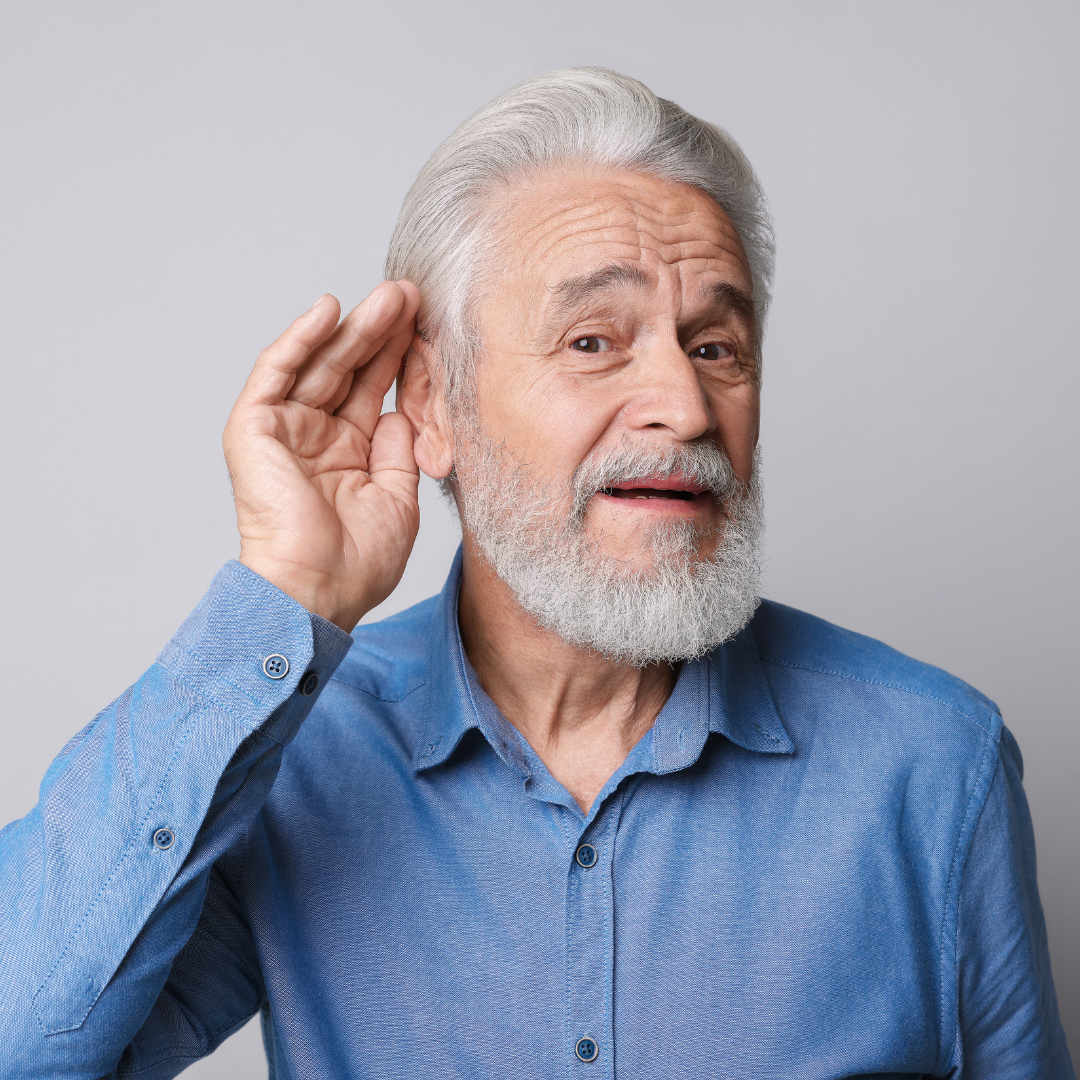
A sudden drop in hearing in one ear can be frightening and may leave those experiencing it unsure of their next steps. Our audiology clinic offers prompt diagnostic hearing testing and coordinates emergency medical evaluations whenever sudden hearing changes develop. A sudden hearing loss always warrants immediate assessment by a hearing specialist to evaluate therapeutic options or personalized rehabilitation.
Is Sudden Deafness in One Ear Considered a Medical Emergency?
Yes, unequivocally. Sudden hearing loss in one ear should be treated as a medical emergency, particularly when it develops within hours or over a few days. Sudden sensorineural hearing loss (SSNHL), frequently referred to as sudden deafness, stems from pathology within the cochlea or the auditory nerve pathways. It generally arises in the absence of pain, causing individuals to mistakenly assume their ear is simply plugged or congested.
Clinical presentations often involve:
- A sudden decline in unilateral sound perception or vocal intelligibility
- Difficulty processing telephone audio when switching the device to the affected ear
- An audible popping sound or intense feeling of aural fullness preceding the auditory decline
- The abrupt emergence of ringing, static buzzing, or roaring tinnitus on the affected side
- Dizziness, imbalance, or a spinning sensation
Refrain from waiting for spontaneous recovery to restore your hearing acuity. Seek same-day diagnostic guidance from our practice, an urgent care physician, or an otolaryngology specialist.
Why Rapid Clinical Intervention Matters for Sudden Unilateral Hearing Loss
Immediate audiological evaluation is vital because clinical therapies for sudden sensorineural hearing loss deliver the greatest recovery potential when deployed without delay. We must immediately determine if the loss is conductive—stemming from earwax blockage or middle-ear pathology—or sensorineural, signifying inner ear or neural involvement. Even though conductive blockages and neural losses present with similar symptoms, they demand radically distinct medical protocols.
An ear examination and a diagnostic hearing test can identify the type, pattern, and severity of the loss.
Pursue immediate hospital emergency assessment if your sudden hearing loss coincides with:
- Sudden facial droop, hemi-facial paresis, or sensory numbness
- Dysarthria (slurred speech), acute cognitive confusion, or an atypical, severe headache
- Bilateral double vision, syncopal collapse, or an inability to maintain normal walking gait
- Acute angina (chest pain) or any secondary indicators of systemic vascular crisis
These red-flag manifestations often signify a life-threatening neurological or cerebrovascular crisis requiring emergency hospital care rather than an outpatient visit.
Understanding the Underlying Causes of Sudden Unilateral Deafness
In a large majority of sudden sensorineural hearing loss cases, diagnostic testing reveals no identifiable definitive etiology. When clinical workups identify a source, it usually relates to vascular ischemia, cellular inflammation, acoustic trauma, immune reactions, or acoustic nerve pathology.
Potential medical causes encompass:
- Viral or bacterial infections
- Head trauma or exposure to an intense sound
- Diagnosed autoimmune disorders affecting the inner ear sensory systems
- Medications that can damage the inner ear
- Localized microvascular occlusions or compromised blood circulation
- Chronic vestibular conditions including active Ménière’s disease
- Neurodegenerative or demyelinating disorders such as multiple sclerosis
- A vestibular schwannoma (acoustic neuroma) developing on the vestibulocochlear nerve
Since presenting signs do not confirm the specific etiology on their own, obtaining a prompt examination and diagnostic audiologic testing is essential.
How Can Sudden Sensorineural Hearing Loss Be Treated?
Corticosteroids are a common treatment when sudden sensorineural hearing loss has no clear cause. Corticosteroids can be ingested orally or injected through the eardrum into the middle ear cavity, allowing medication to permeate the round window membrane. Clinical treatment pathways are determined by our specialists based upon presentation timing, loss magnitude, underlying health status, active prescriptions, and risk factors.
Medical evidence supports initiating steroid treatment within the first two weeks, underscoring the necessity of immediate clinical intervention. Serial intratympanic steroid injections can also be utilized as a secondary salvage therapy if initial oral treatment achieves incomplete recovery. In specific clinical presentations, the otolaryngologist may recommend combining hyperbaric oxygen therapy alongside standard steroid regimens.
Can Sudden Hearing Loss in One Ear Go Away on Its Own?
Patients with sudden sensorineural hearing loss can sometimes experience spontaneous recovery without clinical intervention. Approximately fifty percent of affected patients see some or all of their hearing return on its own, usually within one to two weeks of onset. Even so, clinicians cannot reliably forecast at the start who will recover, the extent of hearing restoration, or whether recovery will be permanent.
Anticipating spontaneous recovery is not a justifiable clinical rationale for postponing prompt care. Medical interventions become markedly less effective at reversing permanent deficits when delayed by weeks, closing a critical therapeutic window. Final patient outcomes vary widely, spanning full recovery, partial gains, or minimal improvement.
Audiological Management for Persistent Sudden Unilateral Hearing Loss
If auditory thresholds fail to normalize completely, management depends on residual hearing sensitivity, unilateral speech discrimination scores, and the exclusion of underlying retrocochlear pathology. We may recommend magnetic resonance imaging (MRI) or an auditory brainstem response test to examine the hearing nerve and nearby structures.
Advanced long-term management strategies feature:
- Custom programming of a traditional hearing aid when the ear maintains usable acoustic thresholds
- Fitting a dedicated CROS device that transmits acoustic information from the poorer side to the unimpaired ear
- Bone-conduction hearing implants or transcutaneous bone processors for suitable clinical patients
- Cochlear implantation designed to restore binaural hearing in qualifying cases of single-sided deafness
- Cutting-edge assistive listening devices to enhance speech perception in occupational, classroom, and social environments
Engaging in audiologic rehabilitation can alleviate severe listening fatigue, train sound localization, and resolve ongoing communication challenges. The optimal clinical choice is guided by diagnostic hearing test findings, individual acoustic environments, medical background, and personal lifestyle objectives.
Book an Immediate Diagnostic Hearing Evaluation
If your hearing changed suddenly today or during the past several days, request same-day medical direction rather than waiting for a routine consultation. We can perform diagnostic hearing testing, compare both ears, review when the change began, and coordinate with an ear, nose, and throat physician or another medical provider when necessary.
Connect with our clinical office right away to arrange an urgent hearing assessment.