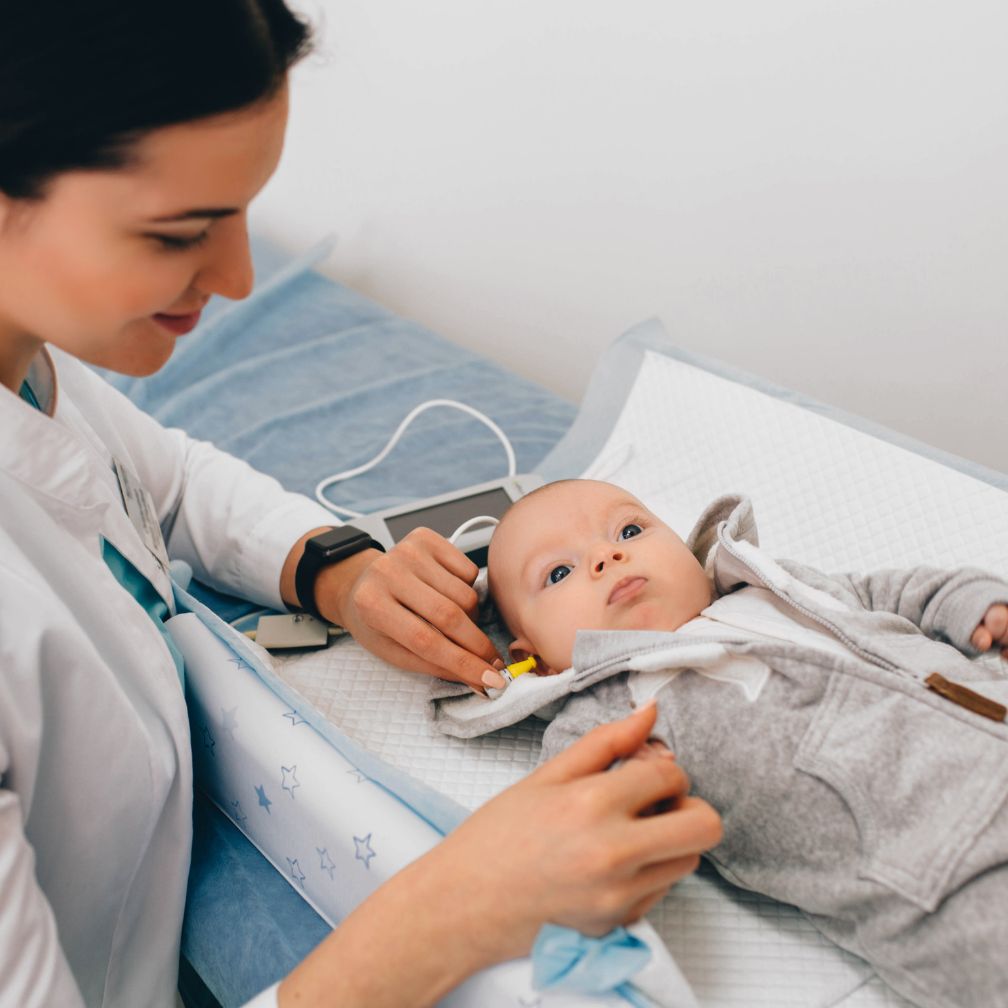
For mothers and fathers of newborns, hearing a medical report of infant hearing loss naturally causes profound stress and concern. Fortunately, the encouraging truth is that via early testing and professional support, young patients with hearing challenges are able to flourish remarkably. In fact, such infants can build verbal communication, expressive ability, and strong bonds within their surroundings, ensuring a bright, enriched future!
Utilizing wearable hearing aids and state-of-the-art cochlear implants supplies two proven clinical methods for backing babies with hearing impairment. Below, our guide evaluates their functional parameters so you can determine the correct choice for your baby.
Exploring Causes of Auditory Loss in Infants
Auditory loss among infants typically comes from various distinct health factors, such as:
- Targeted genetic mutations (even within bloodlines having zero background of impairment)
- Perinatal infectious diseases like cytomegalovirus (CMV) or rubella conditions
- Adverse intrapartum events, such as fetal oxygen deprivation or early delivery
- Specific intensive care medications administered in dedicated neonatal care facilities
What remains the single most critical task? Timely diagnostic identification. Consequently, newborns within United States birth units undergo auditory screening before going home. Leading pediatric auditory physicians rigorously follow the standard “1-3-6” diagnostic framework:
- Initial hearing check administered within 30 days of birth
- Confirmed hearing diagnosis established prior to 3 months post-birth
- Active management (incorporating hearing technology or specialized rehabilitation) initiated before 6 months of age
Meeting these core timeline goals offers infants optimal opportunities for strong speech, verbal communication, and neurological growth. If you desire assistance on these screenings, your pediatrician will be happy to help!
Wearable Hearing Aids in Infant Care
For babies presenting with mild to severe auditory impairment, programmed hearing aids generally provide the primary therapeutic standard. These miniature, body-worn units enhance environmental audio, enabling infants to perceive spoken words and environmental noise with greater clarity.
Custom wearable hearing devices for babies remain:
- Structurally and medically safe for newborn babies only a few weeks after delivery
- Designed with soft, comfortable ear inserts that adapt during early physical development
- Outfitted with secure battery housing closures and dedicated pediatric safety elements
- Precisely tuned by a licensed pediatric audiologist to target your infant’s unique hearing profile
While your infant develops, hearing instruments necessitate frequent maintenance to guarantee ideal ear-canal fit and maximum performance.
Pediatric Cochlear Implants: An Advanced Solution
If a baby exhibits profound sensorineural hearing loss and derives insufficient benefit from wearable aids, clinicians often recommend a cochlear implant. Unlike standard acoustic hearing devices, cochlear implants:
- Must be surgically installed during a specialized medical procedure
- Routinely bypass non-functioning sensory hair cells of the inner ear system
- Transform ambient sound into direct electrical pulses that stimulate the auditory nerve directly
Contemporary cochlear implants operate as:
- Officially cleared by the FDA for application in babies as young as 9 to 12 months
- Extremely effective when paired with early habilitation programs and active home engagement
- Recommended only after a comprehensive diagnostic assessment by a certified audiologist and otolaryngologist
This process includes radiological imaging, hearing tests, and open dialogue concerning long-term communicative results.
Comparing Hearing Aids and Cochlear Implants: Key Differences
- Mild to severe levels of impairment utilize Hearing Aids; Severe to profound hearing impairment calls for Cochlear Implants
- Non-Invasive: Hearing Aids; Invasive (Surgical): Cochlear Implants
- Traditional acoustic amplification: Hearing Aids; Electrical signal stream conversion: Cochlear Implants
- Treatment starts in newborn infancy: Hearing Aids; Procedure starts at 9-12 months: Cochlear Implants
Hearing Aids vs. Cochlear Implants: Final Thoughts
When your child is diagnosed with auditory deficits, you have options and plenty of support. Through the guidance of experienced pediatric audiology teams, countless infants successfully cultivate language development completely comparable to their healthy peers.
Whether your youngster qualifies for external hearing aids or surgical cochlear implants, early action creates a profound lifelong advantage.
Are you looking for clarity regarding your infant’s hearing development? Call our clinic today for a full evaluation and personalized care plan.