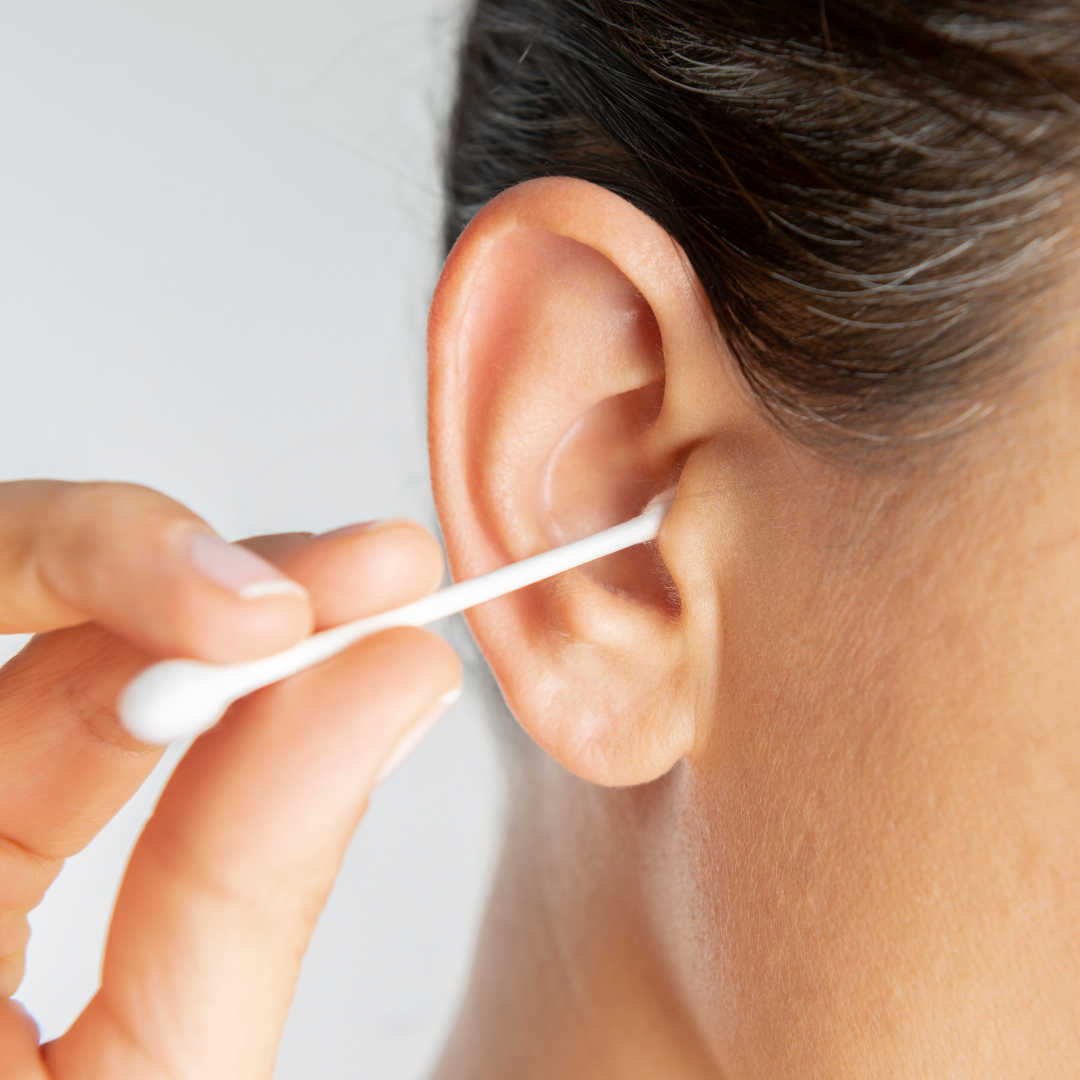
Cotton swabs may seem like convenient ear-cleaning tools, but inserting one into the ear canal can make cleaning harder over time and may damage your ears. Our clinic establishes whether cerumen requires physical removal and identifies the safest protocols for your individual ear anatomy. The auditory canal generally manages its own cleaning; however, should impaction arise, our team provides safe clinical earwax removal.
What Makes Q-Tips Harmful to Ear Health?
Clinically speaking, earwax, or cerumen, should never be regarded as dirt or debris. It functions to intercept foreign debris, suppress bacterial activity, lubricate internal tissues, and guard vulnerable ear canal skin. Jaw movement and normal skin migration gradually carry old wax toward the ear opening, where it flakes away or washes off during bathing.
Using a cotton swab within the ear canal halts this physiological self-cleaning function. Though the cotton tip may capture superficial debris, it frequently rams the larger wax volume deeper toward the tympanic membrane. Chronic swab insertion frequently compresses cerumen into a dense impaction, triggering a sensation of aural fullness that invites improper cleaning cycles.
Cotton applicators are suitable for tracing the exterior folds of the ear, but they must remain entirely outside the canal opening.
Types of Ear Injuries Caused by Cotton Swabs
The delicate dermal lining of the auditory canal is remarkably thin and susceptible to lacerations. Small abrasions can cause pain or bleeding and create an opening for bacteria, increasing the risk of an outer-ear infection. A cotton tip may also detach and remain inside the canal.
Documented injuries associated with cotton swabs include:
- Deep mechanical cerumen impaction
- Epithelial lacerations, inflammation, erythema, or bleeding
- Secondary bacterial otitis externa
- Retained cotton tip or foreign object obstruction
- Traumatic perforation of the eardrum
- Injury to the tiny hearing bones behind the eardrum
- Temporary conductive loss or permanent auditory changes
- Tinnitus, dizziness, or severe ear pain
Serious injuries are uncommon, but they can happen if someone bumps the user’s arm, the swab slips, or it is inserted too far.
Establishing Safe Intervals for Earwax Extraction
Most healthy adults have no clinical need to extract earwax on a set timetable. Functional ear canals naturally evacuate wax, and everyday washing clears away deposits on the outer ear. Aggressive hygiene removes protective lubricants, provokes skin inflammation, and heightens the likelihood of infection or cerumen buildup.
Professional removal is necessary when wax obstructs the canal, obscures our view of the tympanic membrane, hinders a hearing aid, or creates physical symptoms.
What Are Safe Ways to Remove Earwax At Home?
Whenever cerumen remains asymptomatic, avoiding manual intervention represents the safest course of action. Use a damp, soft cloth to clean only the exterior ear structures, allowing the inner canal to maintain itself.
If hardened wax requires softening, we can guide you toward over-the-counter cerumenolytics or drops featuring mineral oil, carbamide peroxide, glycerin, or saline. Follow the package directions meticulously regarding droplet quantity and consecutive days of use. Discontinue the product right away if you encounter otalgia, severe dizziness, contact dermatitis, or aggravating symptoms.
At-home ear irrigation is not universally safe and requires clinical clearance and technique demonstration from an audiology professional beforehand. Never utilize motorized oral irrigators or dental water devices in the ear canal. Avoid ear candles, metal scoops, camera-guided tools, hairpins, and home suction devices. These products may burn, cut, puncture, or push wax farther inward.
Clinical Indicators for Professional Earwax Removal
Schedule a professional visit if the canal remains occluded after softening treatments, cerumen appears deeply lodged, or home remedies fail. Expert removal is the safest path for patients who struggle to hold still, individuals with narrow ear canals, hearing aid wearers, or those with surgical contraindications to irrigation.
You should seek professional assessment for:
- Persistent otalgia, stubborn itching, or painful sensitivity around the ear
- Blood, pus, clear fluid, or unpleasant-smelling drainage
- Elevated body temperature or edema surrounding the ear structures
- The sudden appearance of tinnitus or true dizziness
- Acute sensorineural hearing loss or auditory decline persisting after cerumen extraction
- A suspected perforated eardrum or retained cotton tip
- Recurrent impaction that affects hearing devices
Any rapid-onset hearing loss in one ear must be evaluated as an emergency rather than dismissed as a wax plug. Timely clinical evaluation distinguishes benign wax blockages from urgent inner ear pathologies requiring rapid steroid therapy.
Clinical Methods for Safe Earwax Extraction
We initiate the appointment by visualizing the canal through a diagnostic otoscope or microscope to verify wax presence and check for signs of infection, laceration, or eardrum tears. The most appropriate removal approach is determined by wax texture, canal structure, patient background, surgical history, and individual tolerance.
Standard clinical removal options include:
- Wax-softening drops before or during the appointment
- Gentle, temperature-controlled fluid irrigation provided the tympanic membrane is intact
- Gentle micro-suction performed under clear binocular visualization
- Direct physical removal using precision instruments such as loops, curettes, or tiny forceps
Visual guidance empowers the clinician to protect delicate canal skin and pause immediately if sensitivity is detected. Patients presenting with dry or tightly impacted wax may require a combination of these clinical approaches. Following cerumen extraction, a complete post-procedure examination verifies that the canal epithelium and tympanic membrane are intact. If post-cleaning symptoms such as fullness, tinnitus, unsteadiness, or hearing reduction persist, specialized testing can locate the primary cause.
Schedule an Expert Cerumen Removal Consultation
Should your ears feel congested or your hearing performance decline, arrange an evaluation with our audiology clinic instead of reaching for swabs. The diagnostic session entails reviewing your symptom timeline, past otologic procedures, hearing aid usage, past home treatments, and risk factors for recurring cerumen. Reach out to our audiology clinic today to schedule your professional earwax-removal visit.