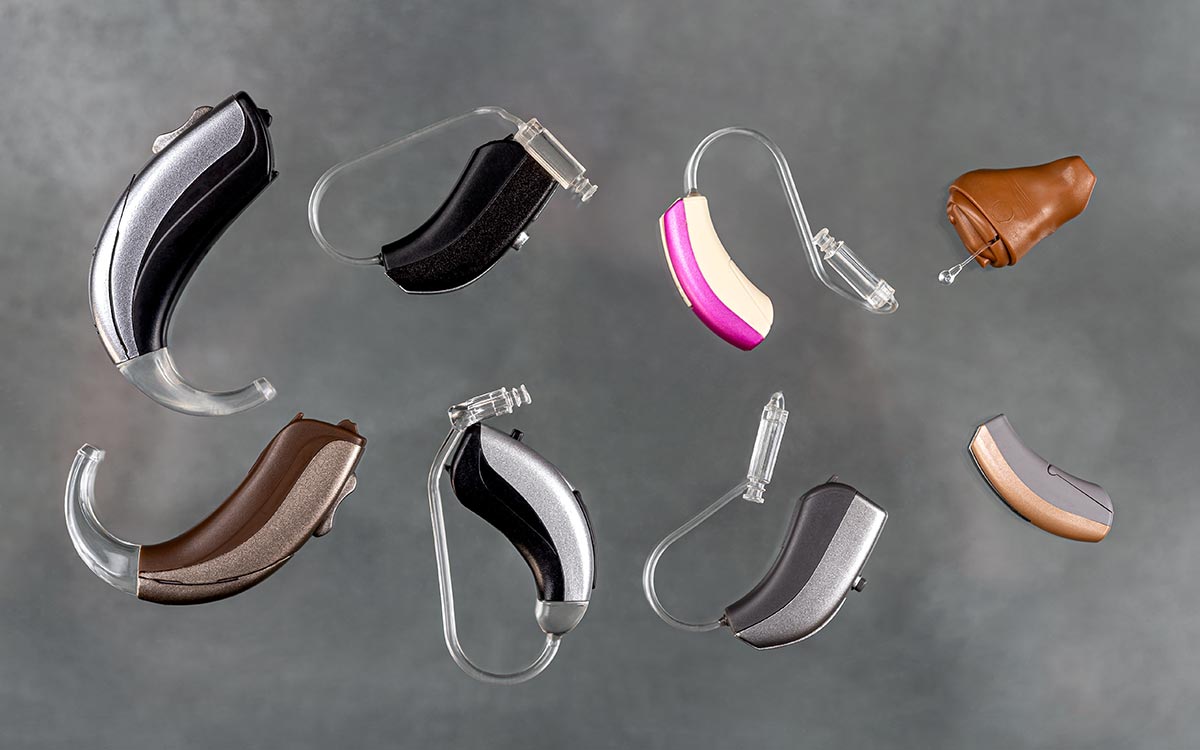
Choosing the right hearing aid can be an arduous task, given the vast array of styles, sizes, and technological features available in modern devices. Fortunately, there is an ideal hearing solution for every person, regardless of their lifestyle or the severity of their hearing loss or tinnitus. It’s all about learning which model fits perfectly with your specific requirements.
Gaining an accurate understanding of common hearing aid categories will empower you to make an educated decision for your hearing health. This guide examines the most popular styles and highlights the specific advantages each one offers.
In-the-Canal (ITC) Hearing Aids
Basic Summary:
A custom device is engineered to sit partially within the ear canal while showing just an inconspicuous section in the outer ear area.
Common Advantages:
- Provides a subtle look compared to traditional styles
- Specifically shaped to the user’s ear for a better fit
- A useful choice for those with moderate hearing needs
These devices are commonly recommended for beginners due to their effective mix of subtle design and user-friendly functions.
Ultra-Discreet Invisible-in-Canal (IIC) Aids
Core Traits:
IIC hearing aids are the smallest custom design available. These devices sit so deeply back in the ear that they are nearly impossible to see.
Primary Incentives:
- Highest degree of invisibility for the wearer
- Provides realistic audio because of where the device sits
- Designed for comfort with a highly small footprint
The small form size of IIC models renders them perfect for mild hearing loss and anyone who values an invisible hearing solution.
In-the-Ear (ITE) Hearing Aids
What they are:
An ITE hearing aid fits securely within the outer ear, available in both full-shell and half-shell configurations. These are custom-fabricated for a precise fit based on your ear’s anatomy.
Why users choose them:
- An appreciably larger frame houses advanced tech and more powerful batteries
- Provides an easier process for those who struggle with tiny accessories
- Capable of providing sufficient power for extreme hearing needs while remaining in-the-ear
Users often select these units for their straightforward, single-piece construction that avoids any external wiring or tubing.
Behind-the-Ear (BTE) Hearing Aids
Technical Detail:
BTE hearing aids sit securely behind the ear. Sound travels into the ear canal through a small tube or custom earmold.
Common Reasons:
- Very flexible and durable
- Effective for nearly every level of hearing impairment
- Provide space for advanced features and rechargeable batteries
If you need a sturdy hearing aid that is simple to operate and offers high-power output, the BTE style is ideal.
Modern RIC (Receiver-in-Canal) Devices
Component Layout:
RIC hearing aids look comparable to BTE models, but the speaker (receiver) sits inside the ear canal rather than inside the device behind the ear.
Why users select them:
- Known for creating some of the most realistic audio in the industry
- Users appreciate the slim design and comfortable fit for all-day use
- Flexible enough to treat an extensive range of hearing impairments
RIC devices are one of today’s most common models, thanks to their blend of comfort, aesthetics, and performance.
Long-Term “Set and Forget” Devices
Overview:
These devices are placed far in the ear canal by an audiology professional and can stay in place for several weeks at a time.
The Appeal:
- Perfect for wearers who want to bypass the routine of handling hearing aids daily
- Offers a 100% covert solution for hearing health
- Engineering allows them to remain in the ear during all facets of daily life
For a “hands-off” approach to hearing assistance, extended-wear technology is the top recommendation.
Wireless Bluetooth Connectivity
Digital Features:
Bluetooth-ready hearing aids allow for a wireless digital bridge between your hearing technology and your smart devices.
Modern Benefits:
- Send calls, music, and audio straight to the hearing aids
- Modify settings through a mobile tool
- Perfectly suited for the requirements of an advanced, connected individual
Bluetooth options are available across many styles, including RIC, BTE, and some ITC models.
Middle-Ear Implants
Design Overview:
A surgical solution that works by vibrating the tiny bones inside the ear to provide amplified audio.
Medical Reasons:
- Choice for those who cannot use traditional hearing aids
- This is an expert alternative for those with chronic ear canal sensitivity.
Candidates for middle-ear implants should complete an exhaustive evaluation by an expert specialist.
Selecting Your Ideal Hearing Option
Since each hearing aid design has unique strengths, the best choice is based on your specific hearing needs, your daily activities, and your aesthetic goals. A specialist can offer the guidance needed to test out different styles and find the one that fits your life perfectly.
Begin your path to clearer sound by setting up a hearing test now. It is the most important move you can make toward a more vibrant and confident life.
Sources:
https://www.mayoclinic.org/diseases-conditions/hearing-loss/in-depth/hearing-aids/art-
20044116
https://www.hearinglife.com/hearing-aids/types
https://www.nidcd.nih.gov/health/hearing-aids