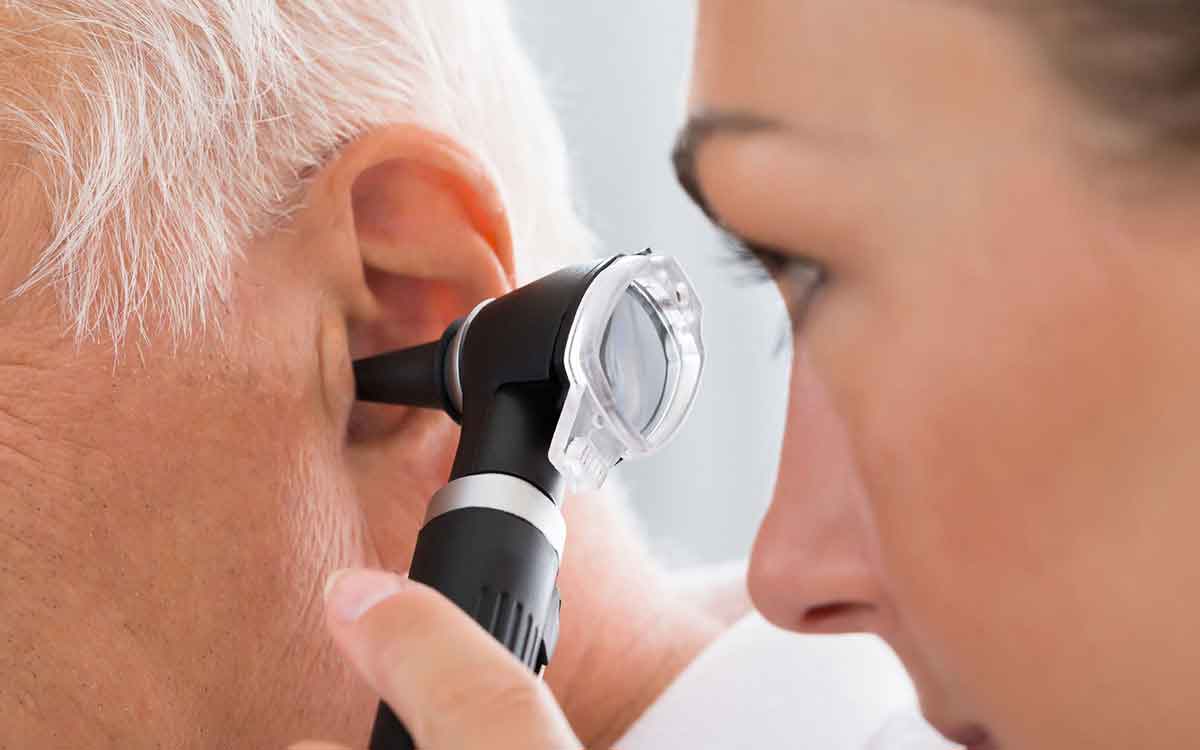
Hearing loss often happens gradually, rendering it difficult to detect during the early stages. Many people adjust without realizing it by increasing the TV volume, requesting frequent repetitions, or avoiding crowded environments.
Arranging an initial screening can help preserve hearing, improve communication, and safeguard overall well-being.
Primary Signs of Developing Hearing Impairment
If you experience any of the listed clinical signs, it is advisable to schedule a professional evaluation.
- Reduced clarity during social interactions within high-noise areas.
- A regular need of asking for verbal repetitions during daily interactions.
- Hearing muffled or slurred speech where sounds lack definition.
- Requiring higher volume levels for media beyond the comfort of family members.
- Trouble hearing higher-pitched sounds, including children’s voices, birds, or electronic alerts.
- Occasional ear ringing or humming associated with tinnitus.
- Feeling cognitively fatigued after social interactions, due to increased efforts to hear better.
- Withdrawing from social events because dialogue has become stressful.
Early symptoms are often unilateral or bilateral and can fluctuate at first. Since the auditory cortex adapts to changes, subconscious adjustments often remain hidden until clinical hearing loss is evident.
Hearing Loss By The Numbers
According to official WHO data, more than 700 million people will necessitate hearing rehabilitation by 2050. Other relevant statistics involve:
- By 2050, approximately 2.5 billion people are expected to experience various levels of hearing loss.
- More than five percent of the global community (roughly 430 million people) requires clinical support to manage disabling hearing loss.
- In excess of 1 billion young adults face the threat of permanent hearing loss due to hazardous acoustic habits.
- Among those aged 60 and older, more than one-quarter suffer from disabling hearing loss.
Why Early Detection is Key
Failure to address auditory decline can affect general health and physiological status.
Scientific data associates hearing loss with increased risks of social isolation, mental health challenges, cognitive decline, and balance issues.
Identifying symptoms early on promotes more effective outcomes and diverse management strategies.
An evaluation differentiates between noise damage, earwax blockage, or other health conditions.
Occasionally, auditory changes are temporary and can be effectively addressed.
In others, timely adoption of hearing devices or protective strategies can slow progression.
Indications for a Professional Hearing Evaluation
A professional screening is warranted under the following circumstances:
- Symptoms last longer than a few weeks.
- Auditory trouble starts to impact professional tasks or daily activities.
- Experiences with sudden decline, dizziness, or chronic tinnitus require urgent clinical attention.
Tests for hearing are painless and provide valuable information regarding your ear health.
Reach out to our specialists if you are interested in scheduling a formal hearing test.
Frequently Asked Questions: Recognizing Auditory Decline
Q: Is hearing loss always age-related?
A: No, while aging is a factor, hearing loss can be precipitated by acoustic trauma, infection, or systemic health issues.
Q: Can hearing loss be reversed?
A: In specific instances involving earwax or infection, hearing may be restored. However, permanent types of hearing loss are often successfully managed with hearing aid technology or therapeutic strategies.
Question: What is the recommended frequency for hearing screenings?
A: A baseline screening is advised by age 50, or sooner if clinical symptoms manifest.