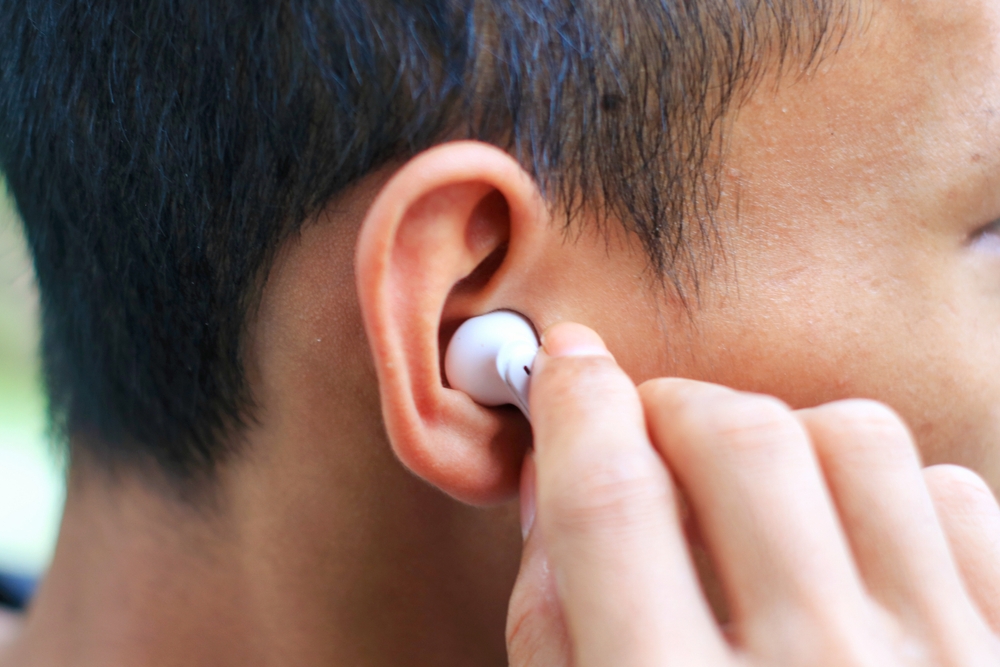
Rarely do we see a young adult in public without an earbud in their ears. Headphones are a bit more cumbersome, but teens still find them a way to escape from their surroundings. The appreciation for music is a cross-generational trait, yet younger individuals often depend on it for constant background stimulation. Does the immediate physical closeness of these transducers to our ears result in measurable hearing loss? Clinically speaking, the hardware is not the culprit; rather, the risk lies in human behavior and exposure levels.
Too Much of a Good Thing
The right music can induce a state of relaxation, provide spiritual comfort, or drastically boost energy levels. This subjective experience is dictated by the specific characteristics of the chosen track. Utilizing personal audio devices is considered a social courtesy, allowing for private enjoyment in communal spaces. That’s a positive thing, and most people will tell you that they are grateful and prefer that on a train or bus.
The essential inquiry remains: at what decibel level and timeframe does listening become dangerous? In reality, excessive sound pressure is universally hazardous to the delicate structures of the cochlea. Combining high-intensity sound with extended exposure times can lead to permanent sensorineural damage. Hearing loss occurs gradually, so by the time you realize what’s happening, it may be too late.
The Biological Impact of High-Intensity In-Ear Audio
The intensity of the decibels is the leading risk factor for permanent auditory trauma. Yet, we must remember that the length of time spent listening is equally important as the decibel level.
- The National Institutes of Health advises that sounds under 70 decibels are generally safe for the human ear.
- Louder noises will cause hearing damage faster than quieter sounds.
- Implement the 60/60 safety protocol by capping volume at 60% and taking a break every 60 minutes.
- Taking control of your volume slider and managing your time is the best defense against hearing loss.
Red Flags: When to Suspect Hearing Impairment
Experiencing aural fullness, persistent **tinnitus**, or difficulty deciphering dialogue in crowds suggests it is time for a clinical hearing test.
Contact our office today if you suspect you may have hearing loss.