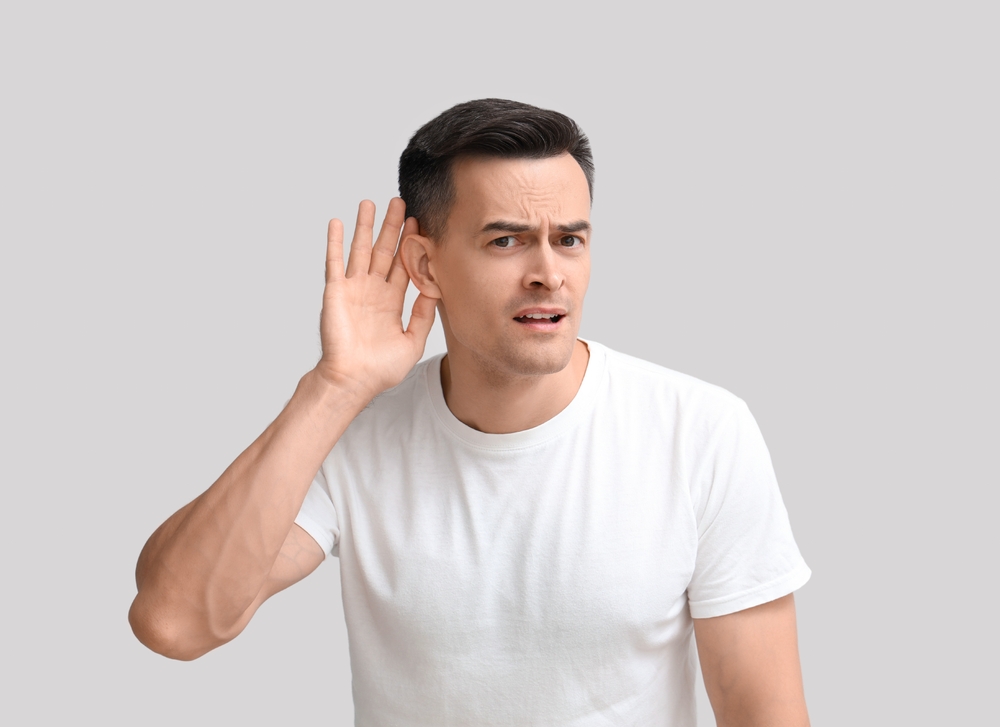
Is it common for you to feel physically and mentally spent after navigating a social environment?
It is easy to misattribute this fatigue to general stress, lack of sleep, or sensory overload. While social gatherings are inherently demanding for people with sensory sensitivities, there may be another factor at play. Frequently, this specific type of burnout is actually triggered by chronic auditory fatigue.
Auditory fatigue occurs when the central nervous system must expend excessive energy to decode acoustic signals. When sound clarity is compromised, the brain allocates vast cognitive resources to deciphering muffled or distorted phonemes. Sustained periods of this “effortful listening” eventually lead to total cognitive depletion.
Many people mistake auditory fatigue for ordinary tiredness. Critically, this exhaustion is often a primary indicator of underlying auditory pathologies. A comprehensive assessment can help determine whether hearing loss is contributing to your symptoms. Persistent patterns of post-social exhaustion warrant a discussion regarding the impact of hearing loss.
Why Your Brain Suffers from Auditory Fatigue
Various stressors can overtax the auditory cortex, leading directly to the onset of auditory fatigue.
Why Untreated Hearing Impairment Causes Fatigue
The absence of treatment for hearing loss is the most frequent driver of this neurological strain.
When the ears cannot detect certain sounds clearly, the brain tries to compensate by filling in gaps. The mental labor required for constant speech reconstruction causes energy levels to plummet during social interaction.
Noisy Environments
Locations with poor acoustics often act as a tipping point for auditory fatigue. Loud public spaces, corporate boardrooms, and large social gatherings typically feature high levels of competing ambient noise.
The presence of competing sounds forces the brain’s “noise-cancellation” filters to work at maximum capacity. This intensive filtering often leads to cognitive overload, even in patients with “hidden” or sub-clinical hearing loss.
Distortion, Tinnitus, and Cognitive Drain
Tinnitus, often described as ringing or buzzing in the ears, can also contribute to listening fatigue because the brain must process external sounds and internal noise signals simultaneously.
A distorted acoustic signal acts as a “broken link,” requiring the brain to expend extra energy to fix the data in real-time.
Common Signs of Auditory Fatigue
Symptoms of auditory fatigue typically bridge the gap between mental clarity and physical stamina. Typical red flags for this condition include:
- Feeling mentally drained after conversations
- Struggles with cognitive focus during collaborative sessions
- Development of “listening headaches” after long social events
- Feeling “on edge” or frustrated when trying to follow a conversation
- Self-isolation as a defense mechanism against listening effort
- Needing a nap or quiet time after social interaction
Frequent presentation of these symptoms is a clear sign of neurological auditory over-exertion.
How the Brain Compensates for Hearing Impairment
Clear auditory input allows the brain to interpret sound with virtually no conscious effort. However, when hearing loss is present, the brain must allocate more cognitive resources to decode sounds.
In clinical literature, this phenomenon is identified as a surge in cognitive load. It involves the brain siphoning energy from memory retrieval and focus to prioritize basic speech understanding. The long-term effect of this cognitive shift is the profound “emptiness” felt after socializing. Even short conversations may require more concentration than they should.
How a Hearing Test Can Identify the Problem
If auditory fatigue is affecting your daily life, a professional hearing evaluation can help identify the cause. In the clinic, an expert will assess your ability to detect specific pitches and interpret clear speech. They may also evaluate how well you understand speech in background noise, which can reveal challenges that may not appear in quiet settings.
The results of a hearing test provide the roadmap for addressing both the impairment and the resulting burnout. By catching these changes in their infancy, you can implement solutions before they damage your social and professional life.
How Modern Technology Lowers Cognitive Load
Addressing the underlying impairment is the most direct way to eliminate auditory fatigue.
High-tech hearing aids do the “heavy lifting” for the brain by isolating and clarifying voices in real-time. The brain can finally rest, receiving data that is easy to interpret and understand.
With restored hearing clarity, you will likely see a boost in:
- Sustained cognitive stamina during the workday
- Ability to follow complex dialogue without drifting off
- Reduced anxiety and heightened ease during social events
As the brain stops struggling to hear, the world of sound becomes a source of joy rather than a source of stress.
Recognizing the Right Moment for a Hearing Test
A professional screening is recommended if you identify with these patterns:
- Socializing feels like a high-intensity mental workout
- Others comment on your need for frequent repetition during social calls
- Background noise makes speech recognition a major challenge
- You have begun declining invitations because you are tired of the effort to hear
Early action on hearing impairment is a foundational step in preserving your mental and social health.
What You Need to Know About Auditory Fatigue
Is auditory fatigue the same as hearing loss?
There is a difference: the fatigue is the neurological byproduct of the effort to hear. That said, hearing loss remains the primary catalyst for chronic listening burnout.
Do Hearing Aids Help with Exhaustion?
Yes—current technology is specifically designed to minimize the cognitive cost of communication.
Can I Recover from Auditory Fatigue?
Typically, this fatigue is transient and resolves once the auditory system is supported by clinical care.
Reclaiming Your Energy After Social Events
It is not “normal” to be wiped out by a simple talk with a friend. If listening leaves you mentally drained, your ears and brain may be working harder than they should.
Schedule your hearing test today by contacting us today. Total peace of mind is only possible when you understand the physiological roots of your fatigue.