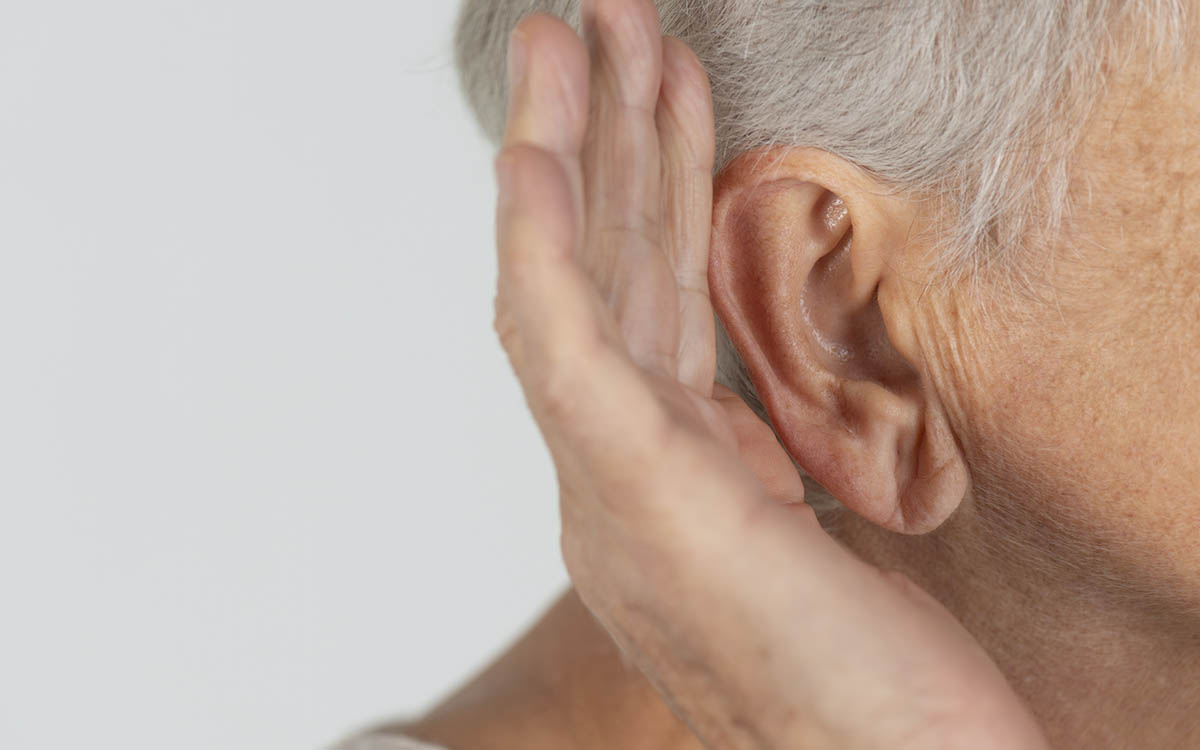
Commonly, clinicians link hearing loss with getting older, however, for millions in the U.S., auditory trauma initiates much earlier in life. Noise-induced hearing loss is one of the most common and preventable forms of damage to our hearing, escaping notice until it becomes a permanent condition.
Grasping the longitudinal impact of sound exposure on the auditory system is essential for implementing safeguards before significant hearing loss occurs.
The Clinical Mechanisms of Sound-Induced Ear Damage
Noise-induced hearing loss is characterized by the degradation of intricate inner ear components. The Centers for Disease Control and Prevention state that, auditory impairment may begin with chronic exposure to noise levels over 85 decibels. Louder sounds, like those from concerts, power tools, or firearms, can cause damage in minutes or even seconds.
Within the cochlea are specialized sensory structures referred to as hair cells. The function of these cells is to transduce mechanical vibrations into neural impulses for cerebral processing. Following injury, these hair cells lack the biological capacity to regenerate, which renders noise-related hearing loss an irreversible condition.
The Advancement of Acoustic Injury
It is clinically significant that noise-induced hearing loss often manifests through a slow, cumulative process. Early exposure may cause symptoms like:
- Temporary ringing or buzzing in the ears (Tinnitus)
- Post-exposure auditory dullness or perceived muffling of sound
- Impaired speech discrimination in the presence of background noise
While these preliminary indicators may dissipate, this should not be mistaken for complete physiological recovery. In reality, repeated noise exposure continues to injure inner-ear structures, steadily eroding hearing precision.
The hearing loss Association of America estimates that 48 million individuals in the US suffer from hearing loss, many unaware of the underlying cause.
Identifying Everyday Acoustic Risks to Ear Health
In our modern environment, individuals often develop a tolerance or desensitization to high-volume sounds. Consequently, the frequency of hazardous noise exposure is often underestimated.
Potential sources include:
- Professional music performances and concert environments
- High-volume output from personal listening equipment
- Motorized landscaping equipment, power machinery, and vehicles
- Industrial workplace environments such as warehouses and construction sites
Due to the routine nature of these sounds, auditory injury may accrue in the absence of overt symptoms.
Why Proactive Safeguards Remain a Critical Priority
In contrast to certain medical conditions, noise-induced hearing loss is characterized by its permanent nature. However, it is highly preventable. Adopting straightforward preventative behaviors can markedly decrease the likelihood of injury, including:
- Employing earplugs or specialized earmuffs during high-decibel exposure
- Reducing personal audio volume and adhering to the 60/60 safety guideline
- Taking listening breaks to give your ears time to recover
- Ensuring consistent Audiology check-ups for those in high-noise environments
Indications for Expert Audiology Consultation
Should you experience persistent Tinnitus or a decline in conversational understanding, a professional evaluation is indicated. Early intervention through an Audiologist allows for the monitoring and implementation of essential protective measures.
Prioritizing auditory health now ensures the preservation of hearing clarity for the future. Exposure to noise is frequent, yet hearing loss can be successfully avoided through proper care. Contact us to coordinate a comprehensive evaluation and ensure your auditory system is functioning at its peak.